DIY Builders Win Validation — Hire When the Site Has to Earn Customers
DIY on Squarespace or Wix is right for validation; hire a designer when the site must earn customers, outrun competitors, or stop stealing your nights.
William Spurlock Founder — Spurlock Studios Updated 24 MIN
Hire a web designer when the website has to earn customers — not when you are still proving the business exists. Squarespace, Wix, and similar builders are the right tool for many pre-revenue and early validation stages; the honest answer is not “always hire.” The trap is staying on DIY after the site becomes the bottleneck for trust, leads, or your time. This spoke sits under Websites That Feel Like Films. After you decide the site must convert, the next gate is when a custom website is worth it — a different question than hire-versus-DIY.
The short answer
- DIY wins when cash is scarce, the offer is still changing, and “good enough + live” beats “perfect + late.”
- Hire when competitors look more credible than you, when DIY nights are stealing billable hours, or when conversion and ownership matter.
- What you underestimate in DIY: information architecture, mobile conversion paths, SEO basics, and the cost of your own hours.
- A hired build should include strategy, composition, CMS limits, handoff credentials, and a path off the tool — not just a prettier template.
- Starter budget bands below are reported 2026 market ranges from public guides and vendor pages, not Spurlock Studios pricing. Builder list prices move; treat August 2026 figures as dated snapshots.
When should you stay on Squarespace or Wix?
Stay on a hosted builder when the site’s job is legitimacy, not revenue. You need a URL that looks like a business, a place to send Stripe or insurance paperwork, and a phone number a stranger can tap. You do not need a brand system.
DIY is the honest call when most of these are true:
- You do not yet know which offer sticks
- You need a URL for Stripe, insurance, or “are you real?” checks
- You can ship a five-page site this month without a designer
- Your competitors are also on templates (or worse)
- Paying a studio would delay learning from real customers
- Nobody will maintain a CMS; you want rare edits you can do yourself
- Cash should stay in ads, inventory, or payroll this quarter
| Stage | Builder job | Hire would waste money on |
|---|---|---|
| Pre-revenue, offer still moving | URL + calendar + one CTA | A sitemap for services you will rename |
| First paying clients, referrals do the selling | Proof you exist; hours and reviews elsewhere | Cinema craft buyers never open |
| Local service with a strong Google profile | Phone-first brochure that does not fight GBP | A 20-page story no one reads before they call |
| Artist / consultant testing a new lane | Live this month, ugly-ok | A system you will outgrow in 90 days |
Agencies that skip this paragraph are selling, not advising. Validation-stage businesses should keep the money for the business.
Squarespace’s own pricing page is built for that early job: a 14-day trial, hosting on the plan, annual billing if you want the discount. Wix’s plans page is the same category of purchase — publish, attach a domain, decide later. That is a rational buy when the site is a confirmation page, not a sales floor.
When should you not hire a designer?
Say this out loud before you take quotes: if you are pre-revenue, testing an offer, or still changing your services every month, a five-figure custom site is usually the wrong spend. Use a builder.
Hiring too early fails in a specific way. You pay for composition around an offer that will not exist in October. Then you either freeze the wrong offer because the site was expensive, or you pay again to rewrite it. Neither is “investing in brand.”
| Signal | Do not hire yet | Why |
|---|---|---|
| Offer changes monthly | Stay DIY | You will throw away page jobs |
| No photos of the real work | Stay DIY | Stock on a custom layout still looks hollow |
| No one will edit a CMS | Stay DIY | You will buy a system you abandon |
| Pipeline is empty for reasons that are not the site | Stay DIY | Craft cannot invent demand |
| You want a site because a peer hired someone | Stay DIY | Peer stage is not your stage |
A hired site does not create product-market fit. It can only stop a fitted offer from looking rented.
Do this instead of hiring:
- Ship five pages on Squarespace or Wix in one week, not one quarter.
- Put a real phone or form on every page.
- Run the business for 90 days.
- Write down the three questions people ask before they buy.
- Hire only when those answers need better structure, proof, and craft.
If step 4 is empty, you do not have a website problem. You have a pipeline problem.
What does DIY actually cost in August 2026?
Builder sticker prices are the easy number. They are also the one vendors publish and then change. As of August 2026, treat every dollar figure below as a dated snapshot — confirm on the vendor checkout before you budget.
Squarespace sells four website plans: Basic, Core, Plus, and Advanced. Official help tells you to read current dollars on the pricing page and explains who each plan is for in Choosing the right Squarespace plan and Selling on the Basic, Core, Plus, and Advanced plans. The help articles do not pin a permanent price. Trade reporting after the 17 July 2026 change does.
PetaPixel’s 17 July 2026 write-up recorded US annual rates after that hike as Basic $19/mo ($228/yr), Core $29/mo ($348/yr), Plus $49/mo ($588/yr), and Advanced $99/mo ($1,188/yr), paid up front for the annual discount. Month-to-month was reported at $25 / $39 / $65 / $139. Core and Plus annual rates were the steep jumps (about 26%). Advanced annual did not move in that report. Squarespace did not publish a public memo; PetaPixel used archived pricing pages and customer mail. Promo codes, taxes, and country change the card charge. Recheck squarespace.com/pricing if you are reading this after August 2026.
Wix publishes plan names on wix.com/plans and, in its own explainer How much is a Wix website? (updated 29 July on that page), lists yearly-subscription rates of Light $17/mo, Core $29/mo, Business $39/mo, and Business Elite $159/mo, plus a free plan. Wix says those displayed prices are for yearly subscriptions paid in full, that other periods cost different monthly rates, and that currency and tax vary by location. The free plan is a wixsite.com URL with Wix branding — fine for a weekend test, not for a customer-facing business. Core is the first paid tier Wix describes as accepting payments.
| Path (US, Aug 2026 snapshot) | Reported cash, year one | What that cash buys | What it does not buy |
|---|---|---|---|
| Wix free | $0 | Editor, hosting, Wix subdomain | Custom domain, no-ads professionalism |
| Wix Light / Core (annual, vendor explainer) | ~$204–$348 plan + tax | Domain voucher year one on most paid plans, hosting | Taste, copy, photos, conversion path |
| Squarespace Basic–Core (annual, July 2026 trade report) | ~$228–$348 plan + tax | Hosted site, templates, 14-day trial | Same — you still write the offer |
| Squarespace Plus–Advanced (same report) | ~$588–$1,188 plan + tax | Lower commerce fees, more video | Still a template grammar |
| Add-ons both platforms | Email, apps, domain renewal after year one | Inbox, booking widgets, extra storage | Strategy |
Add-ons are where “$17 a month” becomes a working-business bill. Wix’s explainer flags Google Workspace email, App Market fees (it cites many apps in a $3–$20+/mo band), and US Wix Payments card rates of 2.9% + $0.30 on most cards (Amex and PayPal higher). Squarespace Core help lists a Google Workspace Business Starter inbox as a plan perk in some tiers — still confirm on your invoice. Domain vouchers are first-year and usually only for a new domain bought from the platform.
If you later hire on Webflow instead of staying on a consumer builder, Webflow’s 13 May 2026 plan update priced the new Premium Site plan at $25/mo yearly or $39/mo monthly. That is still rent, not a designer. Do not confuse platform fees with labor.
Public 2026 DIY-versus-hire guides still cluster first-year builder cash around a few hundred to about $1,200 once domain and light extras land — see Tocayo’s 2026 DIY vs hire article and BKND’s website cost breakdown. Those are secondary summaries. Vendor checkout wins if they disagree.
Do not use any of these bands as Spurlock pricing.
When does DIY stop being cheap?
DIY cash cost is low. DIY total cost is cash + nights + opportunity.
| Cost type | What it looks like | When it bites |
|---|---|---|
| Platform fees | Builder plan, domain, email, apps | Every renewal; after the July 2026 Squarespace hike, Core/Plus owners felt it |
| Your hours | Theme wrestling, mobile fixes, plugin conflicts | Week three of “almost done” |
| Missed leads | Unclear CTA, buried phone, slow mobile | The week a competitor’s site looks more legit |
| Rebuild cliff | Paying twice when you finally leave the template | The month you hire and discover export gaps |
If you bill $100/hour and you burn twenty evenings “almost finishing” the site, you already spent a freelancer’s fee — you just paid yourself in insomnia.
Time math owners skip:
| Scenario | Rough math | Verdict |
|---|---|---|
| You spend 5 hours/week for 8 weeks polishing DIY | 40 hours — price that at your billable rate | DIY only if launch required those nights |
| Freelancer quote at $4,000, you spend 4 hours on feedback | Cash + light time, site ships | Hire if the site must convert now |
| Cheap $800 theme setup, you redo it in six months | Paid twice + brand whiplash | The expensive “bargain” |
DIY is still correct when the alternative is delaying launch. DIY is wrong when the hours are endless and the site still does not convert. Be honest about which pattern you are in.
A second cheap-to-expensive flip: you start stacking paid apps to fake missing features. Booking here, chat there, a second Linktree because the homepage cannot hold the job. That stack is a signal. You are already funding a system. Compare the annual app burn plus your hours to a scoped hire.
What does a hired build include that the builder UI does not?
The UI sells drag-and-drop. A real hire sells decisions.
| Deliverable | DIY builder alone | Hired designer / studio |
|---|---|---|
| Offer → page jobs | You guess | Sitemap with one job per page |
| Above-the-fold craft | Template default | Intentional composition with one clear CTA |
| CMS / editor limits | Optional chaos | Fields that match who edits — not unbounded Designer access |
| Mobile conversion | Hope | Phone-first or form-first by segment |
| Ownership / handoff | Your login (usually) | Domain, host, repo/CMS seats in your name |
| Exit plan | Platform lock-in | Export / migration path discussed up front |
| Proof | Whatever you drop in | Hierarchy: reviews, crew, work, not a stock handshake |
| Measurement | Default analytics if you remember | Events tied to the actual CTA |
You are not buying “someone who knows Squarespace.” You are buying taste under constraints plus an operating handoff.
Three hire tiers people mash together:
| Tier | What you are buying | What you are not buying |
|---|---|---|
| Template setup | Speed. Someone who has clicked the builder 200 times | A unique brand system |
| Authored-on-builder | Composition, CMS rules, conversion path on Squarespace / Wix / Webflow / Framer | Full exit ownership of code |
| Authored system / custom | Strategy, original compositions, performance budget, portable content | A weekend launch |
Template setup is a real service. It is also the tier that produces the most regret, because the invoice looks like “I hired a designer” and the site still looks rented. If you only need setup, say that in the brief. If you need the site to earn, do not buy setup and hope it mutates.
After the hire/DIY gate, stack choice is a separate spoke. Framer vs Webflow vs custom is the tool decision. This post stays on whether a human should own the work.
How do first impressions change the hire call?
Owners tell themselves buyers will “read the about page.” Buyers decide the league in a glance, then maybe read.
Nielsen Norman Group summarizes the research: people form a visceral read on aesthetics in about 50 milliseconds, and that first read colors later judgments of credibility and even usability. The lab paper is Lindgaard et al., “You have 50 milliseconds to make a good first impression”. You do not get a paragraph of explanation before the skip.
That does not mean “always hire.” It means: in a visually competitive category, a recognizable template is a business risk. Popular means seen before. Seen before means “I have seen this movie,” which is fatal next to peers who look authored.
| What the research supports | What it does not support |
|---|---|
| First visual read is fast and sticky | A custom invoice raises conversion by a made-up percent |
| Visual design is a credibility cue | Stock-photo custom always beats a clean builder |
| Template sameness can lose a shortlist | Animation budget equals trust |
No invented lift percentages for AllCity HVAC, Matt Coffey Design, or anyone else. Portfolio names prove what kinds of sites get built. They do not publish fake uplifts here.
Use a five-tab test instead of a vibe:
- Open your site and four peers your buyer also sees.
- Give each tab two seconds on a phone.
- Mark the one you would close as a stranger.
- If it is yours, and those peers are winning work you want, hire is on the table.
- If you would still call you, stay DIY and spend on photos and follow-up.
Craft is in the deal path when the shortlist is five tabs. Craft can wait when the category buys on a phone number from Google Business Profile.
How do you decide: stay DIY or hire?
Stay on DIY if:
- Revenue is early and the site’s only job is legitimacy.
- You update content yourself and the template is not fighting you.
- Lead volume is limited by demand or sales capacity, not by the site.
- You can point to a live competitor on the same builder and still win on service.
- The five-tab test does not embarrass you.
Hire if two or more fire:
- Prospects say “your competitor’s site looked more legit.”
- You cannot explain the homepage job in one sentence.
- DIY updates take longer than doing the actual work of the business.
- You need tracking, multi-location proof, or a brand that does not look rented.
- You are entering a market where craft is part of the price signal.
- You avoid changing the site because you are afraid of breaking it.
| Checks that fire | Move |
|---|---|
| 0–1 hire signals | Stay DIY. Finish the launch checklist below. |
| 2–3 | Get one scoped quote. Do not collect seven moodboards. |
| 4+ | The site is already costing deals or nights. Hire with ownership terms. |
Score it once, in writing, with a date. Revisit when a signal flips. Do not re-litigate the identity of the company every time a designer posts a reel.
The cousin question — template ceiling versus an authored system — lives in when a custom website is worth it. You can hire a human and still stay on a builder. Hiring is not automatically “going custom.”
How do you hire without getting locked in?
Before you sign:
- Domain registered to an account you control
- Hosting / builder billing on your card
- Admin seats for you, not only the designer
- Written list of what you receive at handoff (logins, fonts, source, CMS training)
- Clarity: template setup vs custom design vs custom code
- Maintenance terms in dollars and response time — not vibes
- Search Console and analytics in your Google account
- Exit: export, redirects, and who initiates a domain transfer
If the quote is silent on exit, assume exit will hurt.
Platform-specific lock-in to name in the contract:
| Platform | Ask this in writing |
|---|---|
| Squarespace | Who owns the Squarespace account and the domain (Squarespace-registered vs connected). How a move-away works if you leave. |
| Wix | Who holds the Premium plan. Whether the domain voucher is a new Wix domain (it usually cannot renew a domain you already own — Wix says this on plans). |
| Webflow / Framer | Who owns the Workspace/site seat. What export actually includes (CMS often does not travel). |
Squarespace’s help center documents plan changes and commerce fees; it does not replace an ownership clause in your agreement. Wix’s plans FAQ is explicit that the free-domain voucher is first-time, new-domain, and not for renewing a domain you already own. Read that before a designer “throws in a domain” on their account.
A designer who keeps the domain “for convenience” is not doing you a favor. They are holding the asset.
What do owners underestimate when they DIY?
Owners usually underestimate:
- Mobile — most local and SMB sessions happen on a phone; desktop perfection is vanity. Google Search Central indexes the smartphone version of your pages. If the tap-to-call is below a novel, you are hiding the business from both people and the crawler that matters.
- Copy — templates do not write a clear offer; empty sections look empty.
- Images — stock that sells “generic business” undermines trust (when you upgrade, budget real photos on selling pages).
- SEO basics — titles, headings, one page per real service, not ten doorway pages.
- Forms and spam — broken notifications look like “the site gets no leads.”
- Accessibility — contrast, tap targets, alt text. WCAG 2 is the shared standard (2.2 is the current W3C Recommendation line). Craft includes access, not just aesthetics.
None of these require a custom stack on day one. All of them punish “I’ll figure it out later.”
| Underestimated item | DIY tell | Fix before you hire |
|---|---|---|
| Mobile CTA | Phone buried under three scrolls | Sticky call / form on every page |
| Copy | “Welcome to our website” | One sentence: who, what, next step |
| Photos | Stock crew in hard hats | One real photo of you, the truck, or the work |
| Titles | “Home | Just another site” | Service + city or offer in the title |
| Forms | Tested once on desktop | Submit on a phone; watch the inbox |
| Access | Grey text on grey, 8px links | Contrast and 44px-class tap targets |
If that table is mostly red, hiring a cinema site will not fix the offer. Finish the table, then decide. Film-grade work belongs under Websites That Feel Like Films when the business can feel the cost of looking rented.
What does this look like for three business types?
Same hire/DIY gate. Different page jobs.
| Business | Right move | Why |
|---|---|---|
| Solo consultant, first offer, no case studies | DIY builder this month | Need a URL and a calendar link, not a brand system |
| Trades shop with reviews on Google, weak site | Hire for phone-first site; keep GBP strong | Site must close skeptical homeowners |
| Premium brand competing on taste | Hire / sprint | Template sameness is a sales objection |
Matt Coffey Design–shaped and AllCity HVAC–shaped problems differ: one sells craft, one sells trust and speed-to-call. Do not copy a photographer’s site if you are a trades shop. Do not copy a trades phone-first layout if you sell taste.
Worked paths:
Consultant, validating. Five pages. Headshot you already have. Calendly. Ship in a weekend. Revisit after ten sales conversations, not after a moodboard binge.
Trades, reviews exist, site is an apology. The bottleneck is not “more pages.” It is tap-to-call, service names people search, and a photo of the actual crew. A hire here is a conversion surface. Google Business Profile stays the other half of the system.
Premium / taste category. Buyers comparison-shop visually. If the five-tab test loses, you are funding a discount with your homepage. Hire. Then pick a stack on purpose — builder-authored or custom — using the worth-it test, not a vendor logo.
| If you are… | Do not buy | Do buy |
|---|---|---|
| Validating | A 12-week brand film | A live URL this month |
| Trades, site losing bids | A motion-heavy homepage | Phone-first service pages |
| Taste / premium | Another template with custom fonts | Authored composition and real photography |
What does a cheap hire that is DIY with a middleman look like?
Red flags in cheap quotes:
- No discovery questions about who edits or what must convert
- “Unlimited pages” with no sitemap
- Designer keeps the domain “for convenience”
- Stock-only visuals on every selling page
- No staging, no training, no handoff checklist
- Price that only makes sense if they clone a theme in an afternoon and disappear
- “Unlimited revisions” with no definition of a round
- Silence on who pays the Squarespace or Wix invoice next year
That is not a bargain. That is a delayed DIY project with worse ownership.
| Quote line | Translation | Your move |
|---|---|---|
| “I’ll just use my agency Squarespace” | They own the site | Require a transfer into your account before launch |
| “Unlimited pages” | No sitemap, scope will explode | Demand a page list |
| “I include the domain” | Often their registrar | You register; they connect DNS |
| “We’ll figure out CMS later” | You will break the layout | Fields before launch |
| “$800, live next week, any niche” | Theme clone | Fine for setup; do not call it a brand |
A fair cheap hire exists: template setup, your accounts, a written page list, one revision round, a 30-minute training. Pay for that if that is what you need. Do not pay for that and expect a studio outcome.
Failure mode in production: the owner cannot log in after the freelancer ghosts, the domain auto-renews on someone else’s card, and the “site” is a hostage. Hundreds of production sites later, that pattern is boring and still expensive. Write the handoff before the deposit.
What is a fair starter budget if you do hire?
Public 2026 small-business website cost guides cluster roughly like this — ranges vary by market and scope; treat them as reported bands, not quotes from Spurlock Studios:
| Path | Reported band (2026 guides) | Notes |
|---|---|---|
| DIY builder (Squarespace / Wix–class) | ~$200–$1,200 first year in cash (plans + domain + light extras), plus your time | Vendor pages + Tocayo / BKND-style summaries; ecommerce tiers and apps cost more |
| Freelancer setup or small-business site | Often ~$1,500–$8,000 | Wide quality spread; ownership terms matter more than the midpoint |
| Studio / agency marketing site | Often ~$5,000–$25,000+ | Strategy, custom craft, integrations push the top |
Sources to skim before you budget: Tocayo, BKND, plus the vendor pages already cited. If a number is not in writing from a dated guide or a checkout screen, mark it unverified and do not plan around it.
What those bands usually exclude:
- Photography
- Copy if you have none
- App subscriptions after launch
- Monthly care
- Migration and redirects if you are leaving a builder
- Your time in reviews
A $4,000 freelancer on a clean brief can beat a $18,000 agency on a vague one. Price the brief, not the logo on the proposal.
Do not reverse-engineer Spurlock pricing from this table. If you need a Website sprint scoped to your offer, ask for a quote.
What is a sane path that respects both stages?
- Ship DIY for validation (one week, not one quarter).
- Put a real phone or form path on every page.
- Collect three months of “what people ask before they buy.”
- Run the five-tab test and the hire-signal list.
- Hire when those answers need better structure, proof, and craft.
- Migrate with redirects and ownership clarity — do not burn the DIY URL equity for aesthetics alone.
| Week | DIY path | Hire path (only if signals fired) |
|---|---|---|
| 1 | Template, domain on your registrar, five pages live | Discovery, sitemap, ownership checklist |
| 2–4 | Photos, form tests, titles | Design on the jobs, not on a vibe |
| 5–8 | Talk to customers; write their questions | Build, stage, train, hand off |
| 90 days | Re-score hire signals | Maintenance in dollars, not vibes |
Do not run both paths at once. A half-hired, half-DIY site is how you pay twice and launch never.
Explore the studio’s website work on /websites when the hire path is the honest one — not as a substitute for shipping a builder site this month if you are still validating.
What should a DIY launch include if you stay on a builder?
Ship this before you customize fonts for a week:
- Homepage states who you help and what to do next in one screen
- Phone or primary CTA visible on mobile without scrolling past a novel
- Services named the way customers search, not internal jargon
- About / proof with a real photo of you, the crew, or the work
- Contact form tested to an inbox you actually check
- Domain on your registrar account; builder billing on your card
- Basic titles and meta set (not “Home | Just another site”)
- 404 and a real address or service area if you are local
- Analytics in your account, even if the only event is form submit
Minimum page list that is enough for validation:
| Page | Job | Done when |
|---|---|---|
| Home | Who + next step | A stranger can say the offer out loud |
| Services (or one offer) | What you sell | Named the way buyers search |
| Work / proof | Why believe you | One real photo + one specific result or review |
| About | Who does the work | Face, not a stock skyline |
| Contact | How to start | Phone or form works on a phone |
If that list is unfinished, hiring a cinema site will not fix the offer. Finish the list, then decide.
Builder-specific launch notes, as of August 2026:
| Builder | Do this on day one | Skip this in week one |
|---|---|---|
| Squarespace | Annual vs monthly on purpose; Core if you need code or more than two contributors (per their plan help) | Plus/Advanced “because ecommerce someday” |
| Wix | Paid plan before you show customers a wixsite.com URL; Core if you must take payment (per Wix’s explainer) | Business Elite for a five-page brochure |
| Either | Your domain, your billing, a tested form | App-stack tourism |
What questions should you ask before you hire?
Bring these to the first call:
- Who owns domain, hosting, and CMS seats on day one and at handoff?
- What does the sitemap include — and what is explicitly out of scope?
- Who writes first-pass copy, and how many revision rounds are included?
- What does “mobile-first” mean in the deliverable (tap-to-call, form length, LCP targets)?
- How do I update the site after launch, and what am I not allowed to break?
- What happens if I leave — export, redirects, and credential transfer?
- Which hire tier is this: template setup, authored-on-builder, or custom system?
- What is maintenance in dollars and response time after week one?
Vague answers on ownership are a harder no than a high price with clear terms.
Score the call:
| Answer quality | Meaning |
|---|---|
| Names accounts, page list, exit | You can pay this person |
| Moodboard only, “we’ll figure CMS out” | You are buying decoration |
| “I keep the domain so it’s easier” | Walk |
| Cannot say which tier they are selling | You will disagree at launch |
If two studios give the same visual taste and only one can answer ownership, pick the one who can answer ownership.
FAQ
How much time does DIY really take?
A simple five-page builder site can go live in a weekend if copy and photos are ready; most owners spend 15–40 hours across evenings once they include mobile fixes, apps, and rewrite loops. The open-ended version — “I’ll polish it forever” — is how DIY becomes a second job. Cap the hours, ship, then improve from real traffic.
Can I hire someone to set up Squarespace for me?
Yes — template setup and light customization is a real service tier between pure DIY and custom systems. You still want domain and billing in your name, and you should know you are buying setup speed, not a unique brand system. If you outgrow the template’s composition limits, you will hire again for a real redesign.
When does DIY become the bottleneck?
When leads stall despite traffic, when competitors win on first impression, or when updates take longer than the work they support. Another signal: you avoid changing the site because you are afraid of breaking it. Bottleneck status is about outcomes and time, not shame about using a builder.
What red flags show up in cheap quotes?
Vague scope, no ownership handoff, domain on their account, “unlimited revisions” with no definition, and silence on who edits after launch. Quotes that only show moodboards without page jobs are selling decoration. Walk away if exit terms are “we’ll figure it out later.”
Should my first site be custom?
Usually no if you are pre-revenue or still validating the offer — ship on a builder and learn. Custom earns its keep when craft, performance, or a durable system is part of how you compete. First site should be honest and finishable; custom can be the second site.
What’s a fair starter budget range?
As of August 2026, vendor pages and dated guides often land DIY around a few hundred to about $1,200 in first-year platform cash, freelancers roughly $1,500–$8,000, and studios/agencies often $5,000–$25,000+ depending on scope — cite checkout and dated guides, not hallway numbers. Squarespace and Wix list prices moved in 2026; recheck before you budget. These are not Spurlock Studios rates.
CTA
Validate with DIY. Hire when the site has to earn.
Explore /websites or book a sprint at /contact?intent=websites-sprint.
What questions does this article answer?
- How much time does DIY really take?
- A simple five-page builder site can go live in a weekend if copy and photos are ready; most owners spend 15–40 hours across evenings once they include mobile fixes, apps, and rewrite loops. The open-ended version — “I’ll polish it forever” — is how DIY becomes a second job. Cap the hours, ship, then improve from real traffic.
- Can I hire someone to set up Squarespace for me?
- Yes — template setup and light customization is a real service tier between pure DIY and custom systems. You still want domain and billing in your name, and you should know you are buying setup speed, not a unique brand system. If you outgrow the template’s composition limits, you will hire again for a real redesign.
- When does DIY become the bottleneck?
- When leads stall despite traffic, when competitors win on first impression, or when updates take longer than the work they support. Another signal: you avoid changing the site because you are afraid of breaking it. Bottleneck status is about outcomes and time, not shame about using a builder.
- What red flags show up in cheap quotes?
- Vague scope, no ownership handoff, domain on their account, “unlimited revisions” with no definition, and silence on who edits after launch. Quotes that only show moodboards without page jobs are selling decoration. Walk away if exit terms are “we’ll figure it out later.”
- Should my first site be custom?
- Usually no if you are pre-revenue or still validating the offer — ship on a builder and learn. Custom earns its keep when craft, performance, or a durable system is part of how you compete. First site should be honest and finishable; custom can be the second site.
- What’s a fair starter budget range?
- As of August 2026, vendor pages and dated guides often land DIY around a few hundred to about $1,200 in first-year platform cash, freelancers roughly $1,500–$8,000, and studios/agencies often $5,000–$25,000+ depending on scope — cite checkout and dated guides, not hallway numbers. Squarespace and Wix list prices moved in 2026; recheck before you budget. These are not Spurlock Studios rates.
Last reviewed
Keep reading.
 Websites
 Why does a website cost $15,000 when Wix/Squarespace is $20/month
$15,000 is a planning example for strategy, design, IA, CMS, AEO, and ownership — not a $20/month Wix or Squarespace hosting seat. Compare jobs, not stickers.
 Websites
 Traffic Without Leads Is Usually Intent, Friction, or a Hidden Phone Number
Traffic without leads is usually wrong intent, mobile friction, or a silent conversion failure — separate those causes before you fund a full redesign.
 Websites
 When should a small business redesign their website
Redesign when conversion collapses, mobile fails, the CMS locks, the offer changed, or trust went stale — not because the site turned three years old.
Websites
 Websites
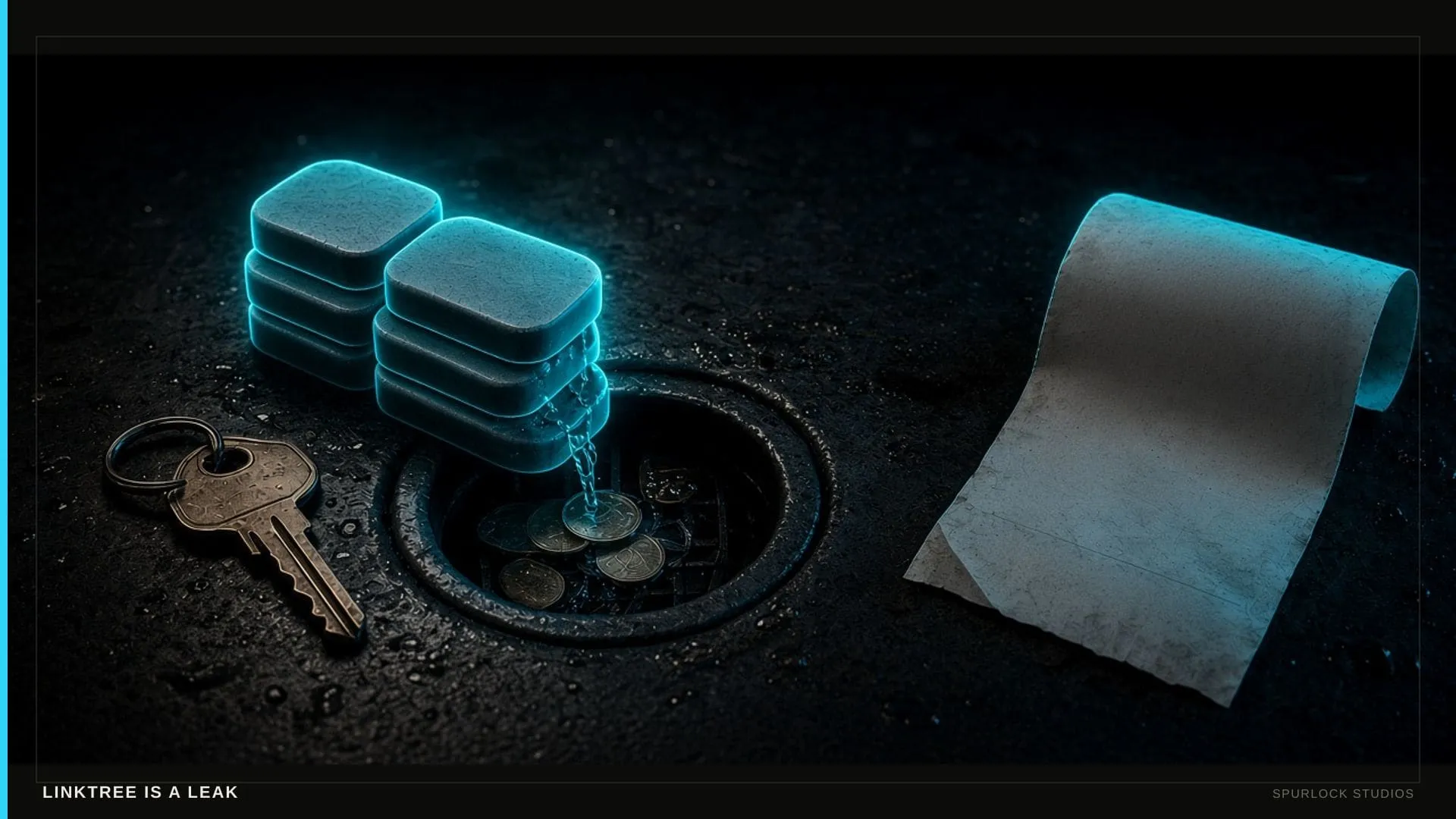
 Linktree is a leak — build the house
Spotify does not send you the fan’s email. Instagram rents the following. Linktree is a hallway with no register. The House is the owned room: site, membership, checkout, follow-up.
 Websites
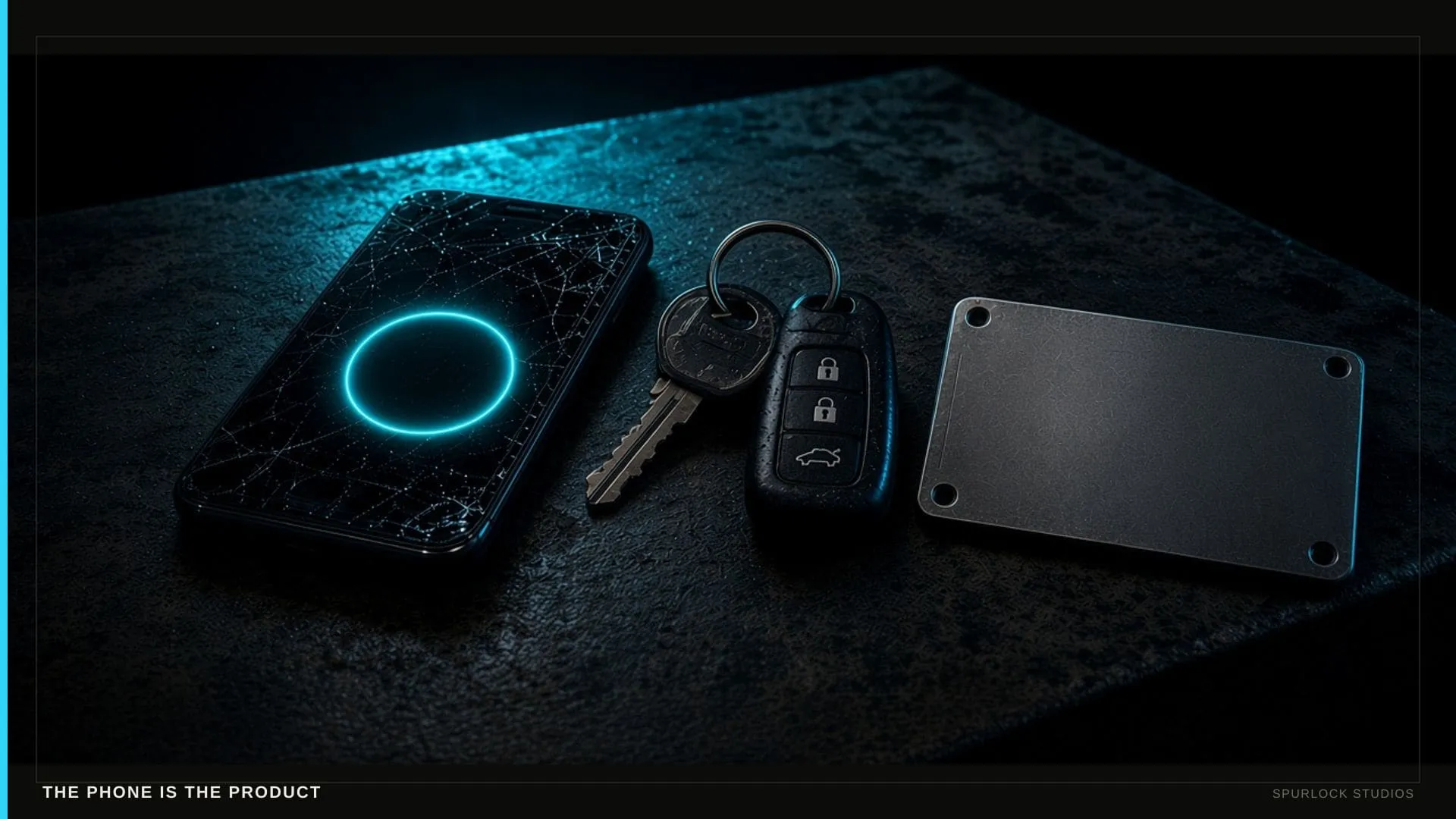
 The shop site that answers the phone
A Midwest shop does not lose the job to a prettier hero. It loses the job to whoever looks real and picks up. Here is what the site has to do on a Saturday.
 Websites
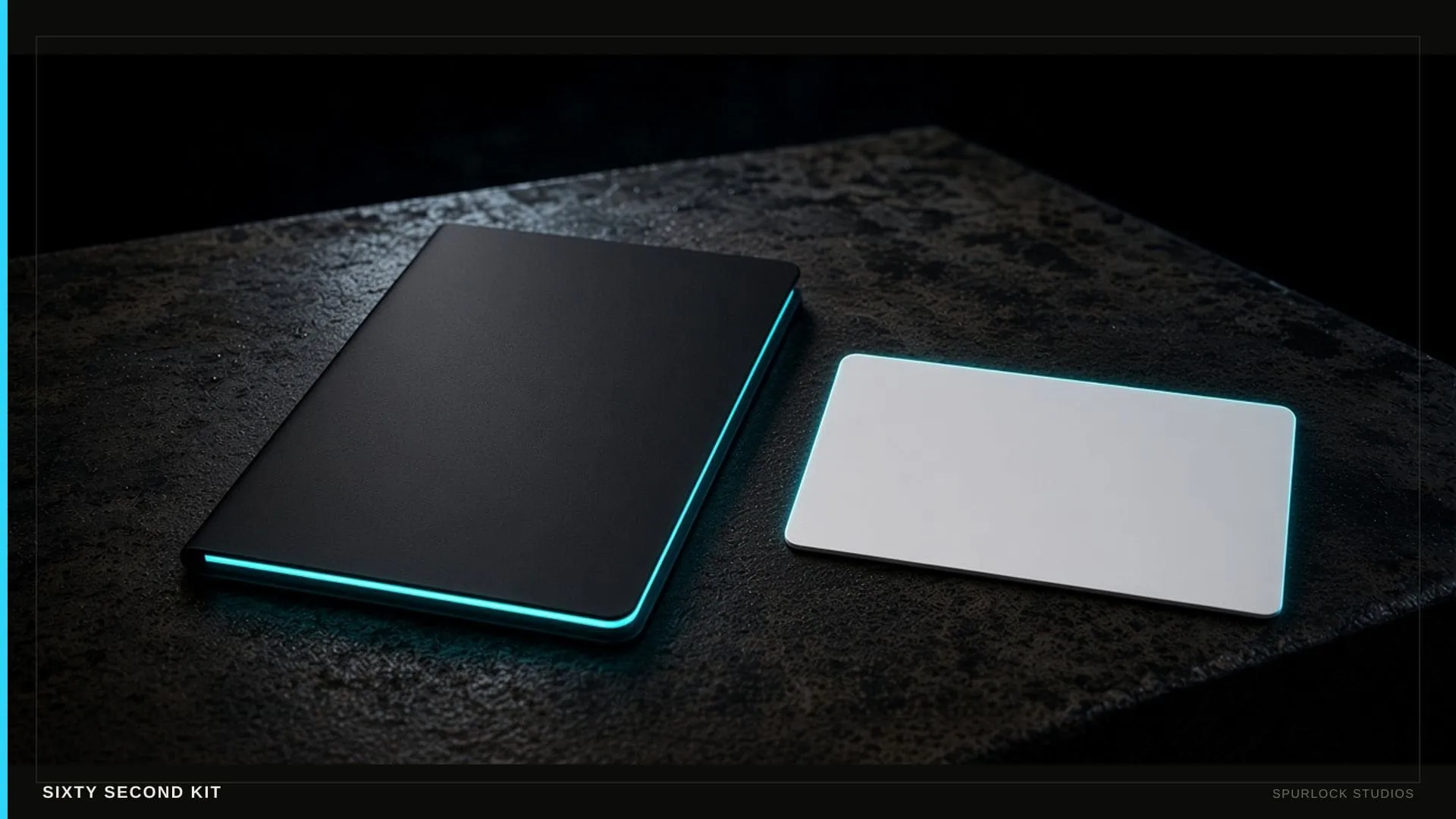
 A media kit the brand can steal in sixty seconds
Influencers need a brand-safe /media or /kit with rates and demographics you can stand behind — not a Google Doc with dead links. This is not a booker EPK.
 Websites
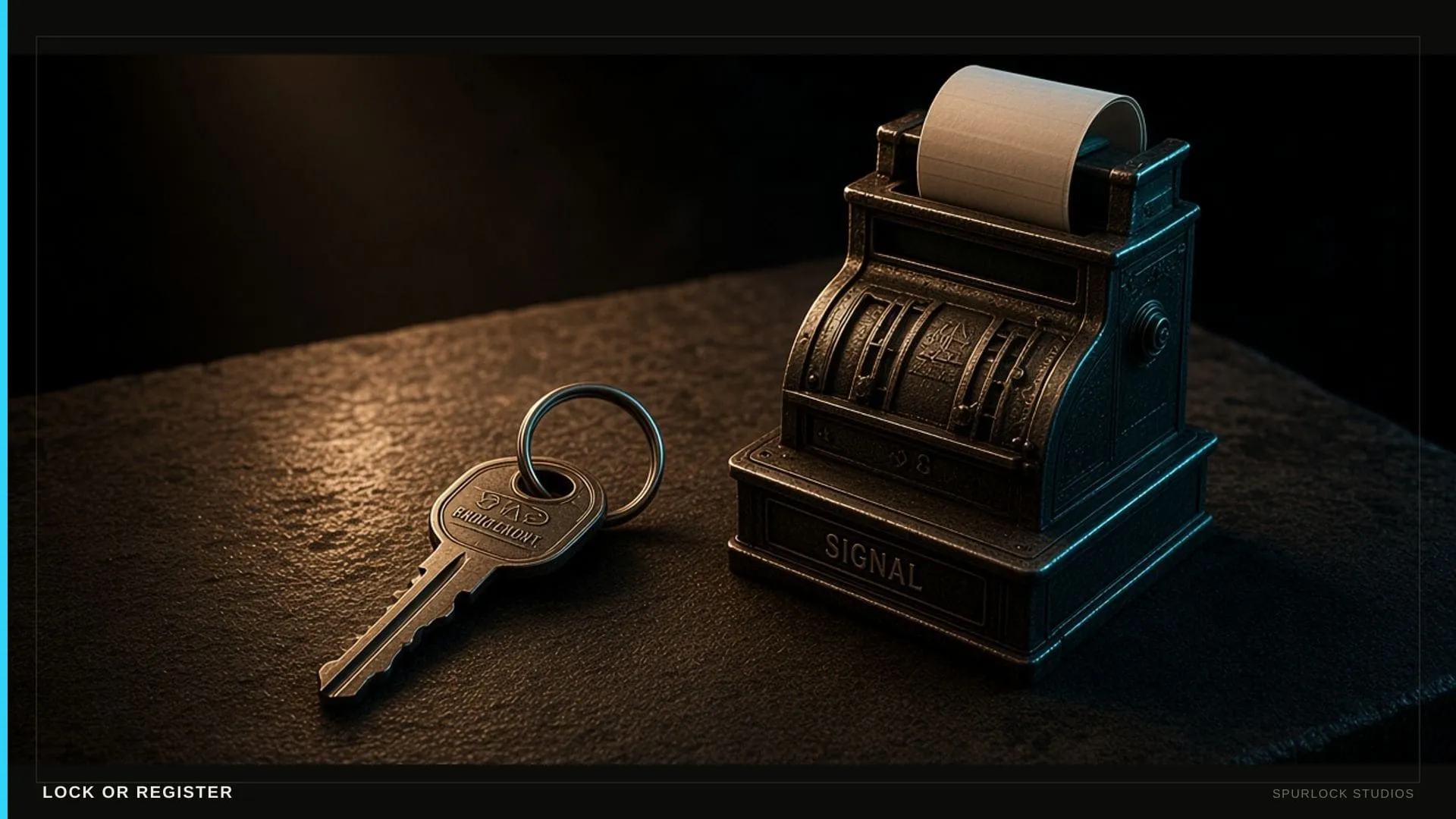
 Creator Site or Business Site for the house?
Creator Site ($3,500) is tour, listen, join, buy. Business Site ($8,000) is the register. Pick after the $1,500 sprint — not before you have seen the house.